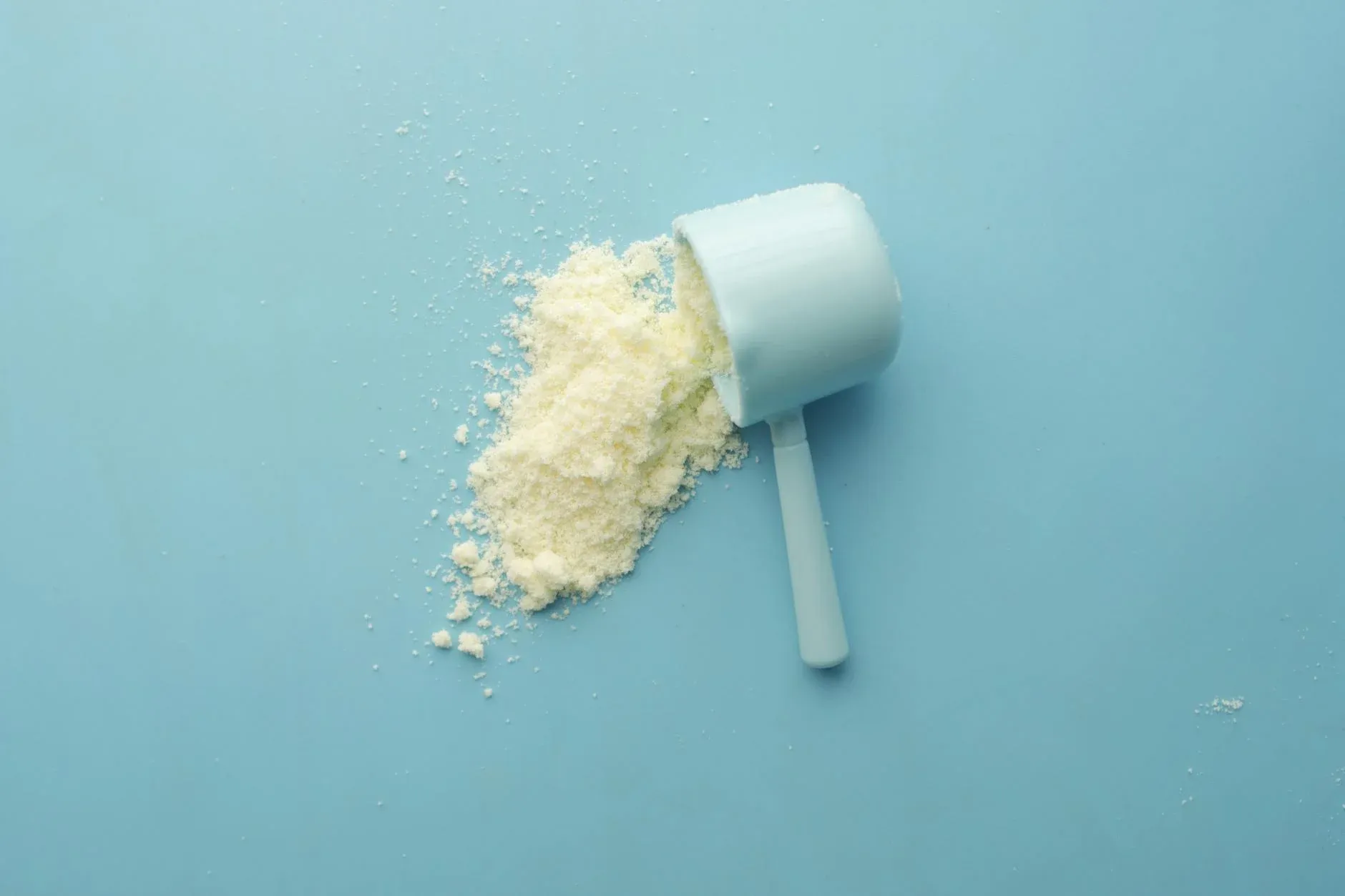
Creatine is the only supplement you actually need. Not the only one that does something — plenty of supplements have measurable effects. The only one whose return on investment is so lopsided that skipping it is an active mistake for anyone serious about training. Five hundred-plus controlled studies, consistent effects across populations, 5 cents per gram, zero health downside for healthy adults.
If you're in the gym three days a week and you're not taking creatine, you're training with a 3 to 5 percent performance handicap you could eliminate for $15 a year. That math doesn't work in any other supplement's favor.
What creatine actually does
Creatine phosphate is the body's short-term energy system. It donates a phosphate to ADP to regenerate ATP during the first 10 to 15 seconds of maximum exertion. Every single rep of a set of 5 squats, every heavy double on bench press, every near-max effort — the creatine-phosphate system is doing most of the work.
Supplementing creatine monohydrate saturates the muscle's creatine stores above their normal level. More phosphate donor available means more ATP regeneration means more reps, more weight, and faster recovery between sets. The effect is small per set, but it compounds across sessions into 8 to 10 percent more strength gain over 12 weeks versus a non-supplementing control group.
What the data actually shows
Kreider's 2017 exhaustive review — published in the Journal of the International Society of Sports Nutrition — synthesized over 500 studies on creatine. The consensus: creatine monohydrate at 3 to 5 grams per day consistently increases strength (8 to 14 percent above placebo in resistance-trained subjects), lean body mass (1 to 2 kg over 8 to 12 weeks), and training performance across essentially every population studied.
The effect isn't dramatic on any single session. It's durable across weeks and months. Compound interest for your training.
Dosing: skip the loading phase
The old protocol was 20 grams per day for 5 days, then 5 grams maintenance. That still works. It's just unnecessary.
Five grams per day from day one saturates muscle stores in about 3 to 4 weeks. Loading gets you there in 5 days but costs you GI distress in many people and provides zero long-term benefit versus the slower saturation path. If you're in a race to max out your bench next week, load. If you're playing a 12-month game, don't bother.
Monohydrate beats everything else
You'll see creatine HCL, creatine ethyl ester, buffered creatine (Kre-Alkalyn), creatine nitrate, and half a dozen other branded forms. None of them outperform creatine monohydrate in any head-to-head study. Most cost 3 to 5 times more per gram. The entire premium-creatine market is a marketing exercise with no evidence base.
Pure monohydrate, micronized, from a reputable brand (Creapure-certified — about $30 for a 500-gram tub). That's a year's supply for one person.
Timing: it barely matters
Some studies show a tiny edge for post-workout creatine over pre-workout. Others show no difference. The honest answer is that timing doesn't matter for creatine because it's about maintaining saturated muscle stores, not about acute effects. Take it whenever you'll consistently take it — with breakfast, pre-workout, in your protein shake, it doesn't matter.
The one thing that does matter: daily consistency. Missing a day or two is fine. Missing a week means your saturation drops back toward baseline, and you lose some of the effect until you re-saturate.
Cycling is unnecessary
Creatine doesn't need to be cycled. The old "4 weeks on, 4 weeks off" protocol came from bodybuilding folklore, not research. Every long-term creatine study — multiple running 5 years or more — shows no adverse effects from continuous use in healthy adults. Your kidneys don't care. Your liver doesn't care. Your natural creatine production doesn't shut down in any way that matters.
Who it doesn't work for
About 20 to 30 percent of people are "non-responders" — their baseline creatine levels are already near maximum, and supplementation produces smaller effects. Vegetarians tend to be stronger responders because their baseline creatine stores are lower (creatine comes primarily from animal sources in the diet).
If you've been taking creatine faithfully for 8 weeks and see no bump in strength or training volume, you might be a non-responder. That's rare. More commonly, someone thinks they're not responding but they've also been undersleeping, undereating, or training inconsistently. Rule those out first.
The other supplements that might make sense
Creatine is the only one that earns a blanket recommendation. Two others earn conditional recommendations:
- Caffeine: 3 to 6 mg/kg pre-workout. Real performance bump of 2 to 5 percent on both strength and power output. Cheap, widely available, effective. Not a daily necessity, but useful for specific hard sessions.
- Whey protein: not technically a supplement — it's concentrated food. Useful if you struggle to hit your protein target from whole food alone. Cost per gram of protein is comparable to chicken breast.
Everything else — BCAAs, glutamine, beta-alanine (maybe for high-rep work), HMB, testosterone boosters, fat burners — has either negligible evidence, population-specific benefits that don't apply to most trained lifters, or effects too small to justify the cost.
The beta-alanine case
Beta-alanine does something. It buffers muscle acidity, which matters for sets in the 12-to-30-rep range. If your training is heavy on that rep range (CrossFit, bodybuilding-style high-volume work), 3 to 5 grams per day of beta-alanine produces a measurable effect — maybe 2 to 3 percent improvement in performance on high-rep sets.
For low-rep powerlifting-style work, beta-alanine is irrelevant. The fatigue mechanism it addresses doesn't limit sets of 5.
Side effects and safety
Creatine's safety profile is among the best-established in sports nutrition. No adverse liver or kidney effects in healthy adults across long-term studies. Some people experience mild GI upset with larger doses (10+ grams); splitting into 2 or 3 smaller doses resolves it. Water retention is real but modest — 1 to 2 pounds of intracellular water in the first week, which helps performance and isn't a negative.
If you have pre-existing kidney disease or are on medications that stress the kidneys, talk to your doctor. For everyone else, five grams per day forever is as safe as drinking coffee.
Get a 500-gram tub of Creapure-certified monohydrate, take five grams with whatever you drink daily, and reap a quiet 8 to 10 percent training advantage over the next five years. There's nothing else in the supplement aisle that earns that recommendation.