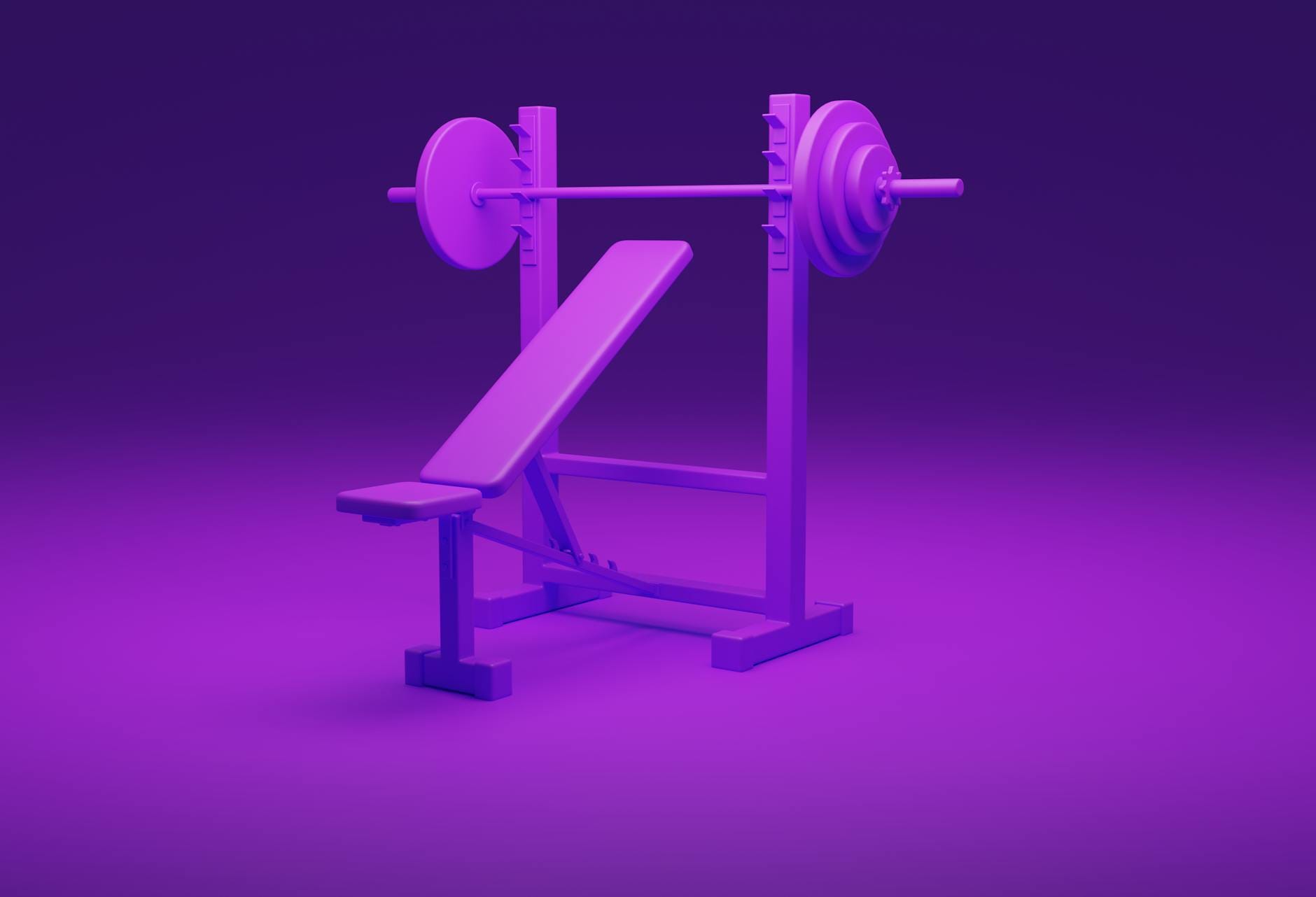
The commercial gym membership economy is built on a lie: that you need their equipment. For most men over 30 training three to four days a week, a basement or garage corner with four pieces of equipment will produce better results than any $60-a-month facility. And you can build it for under a grand if you know the priority order.
I've set up four home gyms for myself and helped another dozen friends do the same. The list below is what's actually earned its place across six years of real use. It's not optimal. It's sufficient — which is what you want when you're spending your own money.
The priority order
Buy in this order, because each piece unlocks more training than the one before it:
- Power rack ($250 to $400 new, $150 to $250 used)
- Olympic barbell and 300 pounds of plates ($250 to $350)
- Adjustable bench ($150 to $250)
- Pull-up bar on the rack or ceiling ($30 to $80)
Total: $680 to $1,080. You don't need cable machines, you don't need a leg press, you don't need dumbbells on day one. Those come in year two if ever.
The power rack
This is the non-negotiable foundation. A proper power rack gives you safe heavy squats, bench press setup, overhead press, rack pulls, and a pull-up bar. Without it, heavy squats at home become dangerous — you'll skip them, and then everything else degrades.
At $250 to $300 new, the options that hold up for a lifetime of lifting include the Rogue R-3, the Rep PR-1100 and PR-4000, and the Titan T-3. Used, you'll find commercial-grade racks — Rogue Monster, Eleiko, EliteFTS — for $300 to $500 on Craigslist or Facebook Marketplace. Buy used when you can.
What to look for: 2x2-inch or 2x3-inch steel tubing, 11-gauge minimum, with Westside hole spacing in the bench press range. Weight capacity listed at 700 pounds or more.
The barbell
A 20kg (45 lb) Olympic barbell is the tool that does most of the work. Don't cheap out. A $100 bar will bend within a year of regular deadlifts, and a bent bar makes every lift worse.
Budget options that hold up: Rogue Ohio Bar ($300), Rep Gladiator ($229), Titan Performance bar ($199). Tensile strength needs to be at least 180,000 PSI. Anything under that, walk away.
If you're lifting under 400 pounds on any compound, a budget bar is fine. If you're pulling 500-plus deadlifts, spend the $400 on a bar rated for it — the Rogue Ohio Deadlift Bar or Eleiko Classic are the targets.
Plates
Three hundred pounds of plates covers almost everyone. That's a pair of 45s, a pair of 35s, a pair of 25s, two pairs of 10s, and a pair of 5s and 2.5s. Total: 300 pounds.
Don't buy rubber bumpers unless you're doing olympic lifts. Cast iron plates are half the price per pound and survive being dropped from waist height all day. A full set of used cast iron plates runs $0.70 to $1.20 per pound. New: $1.50 to $2.00 per pound.
Craigslist is the right channel here. People sell complete Olympic sets — bar, plates, collars — for $400 to $500 regularly. That covers two out of three major purchases in one shot.
The bench
Adjustable, not flat only. Incline bench press, seated overhead press, dumbbell work — you want the positions. At $150 to $250, Rep Fitness AB-3000, Rogue AB-3, and Titan FID all do the job. Weight capacity 600 pounds or more, pad-to-rack height in the 17 to 18 inch range to match a standard power rack.
What comes later
After the core four, here's the next round worth adding over 6 to 12 months, in order of return on investment:
- Trap bar ($150 to $250): makes deadlifts more forgiving on the back, opens up farmer's walk patterns
- Adjustable dumbbells ($350 to $450): PowerBlock, Ironmaster, or Bowflex. Opens rows, Bulgarian split squats, curls.
- Kettlebells ($50 to $80 each): one 16kg, one 24kg covers swings, get-ups, goblet squats.
- Landmine attachment ($40 to $70): rows, presses, rotational work — probably the highest ROI accessory piece.
None of this is on the day-one list. If you have to pick just four items, the rack / barbell / plates / bench combo does 90 percent of what a commercial gym does.
What you don't need
Every home gym buyer wants to skip to the fun stuff. Don't. Equipment people buy and don't use:
- Cable crossover machines: $600 to $2,000, replaces nothing in a well-designed compound-heavy program
- Leg press: $500 to $1,500, worse than a well-executed squat and front squat combination
- Preacher curl bench: $200, a barbell in the rack does the same job
- Smith machine: $1,000-plus, actively degrades your free-weight technique
Garage setup notes
A 10x10 garage footprint is the minimum. Ceiling height needs to be 7 feet or more for safe overhead pressing. Flooring: 3/4-inch horse-stall mats from Tractor Supply, $40 each, three of them under the rack. Don't buy the puzzle-piece EVA foam — it compresses under a 300-pound deadlift drop.
Climate control matters more than people admit. An uninsulated garage in January at 20°F is a gym you won't use. A $50 space heater and a cheap fan for summer push the use rate from 40 percent of planned sessions to 90. That's a year-over-year compounding benefit no piece of equipment matches.
At $1,000 all-in, a home gym breaks even against a $50-a-month membership in 20 months. Past that, every year is pure gain. And the marginal friction is lower — no drive, no waiting for equipment, no rescheduling around the gym's hours. That friction gap is why home gym guys train more consistently than commercial gym members. Always.