Caffeine is the most-studied performance supplement in existence. The research base is so deep that the effect sizes, optimal doses, and diminishing returns are well-established. That makes caffeine a rare case where the practical protocol is largely settled, not debated.
The short version: 3 to 6 milligrams per kilogram of bodyweight, taken 30 to 60 minutes before training, produces a reliable 2 to 5 percent performance improvement on both strength and power output. Doses above 6 mg/kg don't stack further benefits and start producing side effects. Chronic daily users benefit from periodic cycle-offs to preserve sensitivity.
What caffeine actually does
Three primary performance mechanisms:
- Adenosine receptor blockade: caffeine blocks adenosine, the neurotransmitter that signals fatigue to your brain. You feel less tired, recruit muscle more effectively, and push harder before perceived exertion stops you.
- Central nervous system stimulation: dopamine and norepinephrine responses increase, improving focus and motor unit recruitment.
- Pain perception reduction: caffeine modestly reduces the brain's interpretation of exercise-induced pain, allowing higher-intensity training.
These effects combine to produce measurable performance improvements across strength (1RM bench press improves 2 to 4 percent), power (vertical jump improves 3 to 5 percent), and endurance (time to exhaustion improves 5 to 15 percent depending on intensity).
Dosing
The research converges on 3 to 6 mg/kg as the effective dose range. For a 75 kg (165 lb) lifter, that's 225 to 450 mg of caffeine. For a 90 kg (200 lb) lifter, 270 to 540 mg.
Reference doses in common caffeine sources:
- 8oz cup of drip coffee: 95 to 200 mg (varies hugely)
- Espresso shot: 60 to 100 mg
- Pre-workout supplement: 150 to 350 mg (check the label)
- Caffeine pill: typically 200 mg
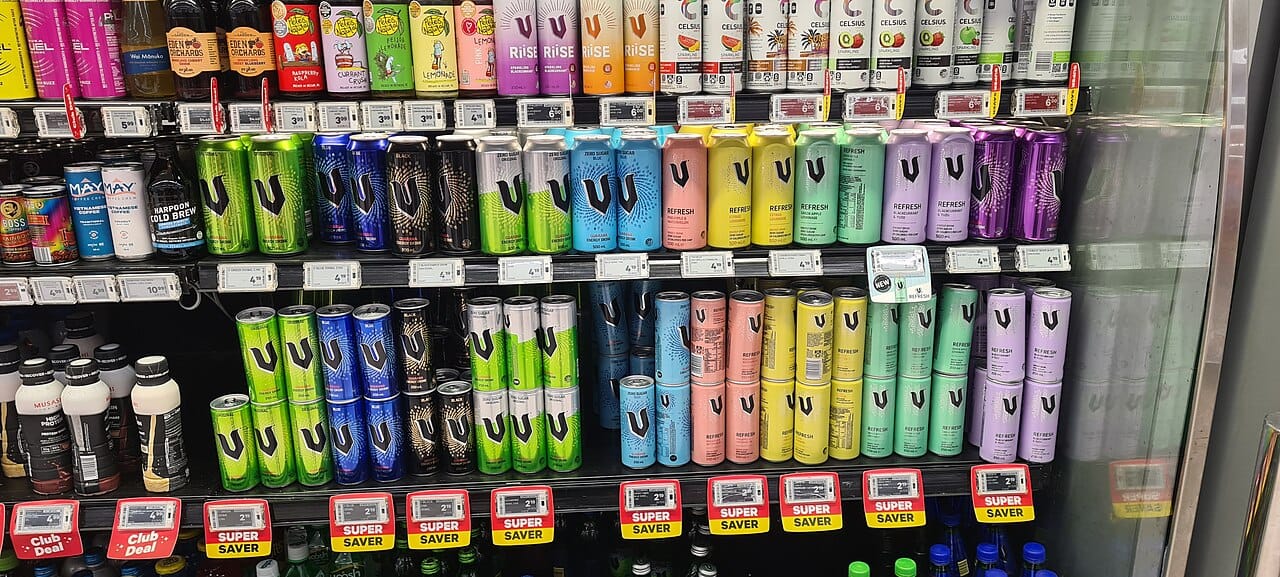
- Energy drink: 80 to 300 mg
For precision, use caffeine pills or a pre-workout with labeled caffeine content. Drip coffee is wildly variable — the same Starbucks cup can have 180mg one day and 280mg the next.
The ceiling
Above 6 mg/kg, performance benefits plateau. Above 9 mg/kg, side effects (jitteriness, elevated heart rate, anxiety, GI distress) start outweighing benefits. There's no scenario where 800 mg of caffeine outperforms 400 mg.
Going above the ceiling is also when caffeine gets dangerous. Doses above 1 gram can produce cardiovascular symptoms in sensitive individuals. The LD50 is roughly 10 grams — high, but reachable by someone stacking multiple energy drinks and pre-workouts.
Timing
Peak blood caffeine concentration hits 45 to 60 minutes after ingestion for most people. For optimal training effect, take caffeine 45 to 60 minutes before you want the peak performance.
For a 1-hour workout starting at 6pm, caffeine at 5:00 to 5:15 pm is the sweet spot.
Half-life considerations
Caffeine's half-life is 5 to 7 hours for most adults. Taking 300 mg at 5pm means 150 mg still in your system at midnight, which can disrupt sleep quality.
Practical rule: cut off caffeine 8 hours before bedtime. If you're in bed at 10pm, last caffeine at 2pm. This often conflicts with evening workout schedules — which is one of the reasons evening lifters should be careful with caffeine.
Tolerance and cycling
Caffeine tolerance develops within days to weeks of consistent use. Daily coffee drinkers who take the same dose develop diminishing performance effects — by month 3, 400 mg produces substantially less kick than it did in week 1.
Full tolerance reset requires 7 to 10 days of complete caffeine abstinence. Shorter breaks (2 to 3 days) provide partial reset. The withdrawal headaches during abstinence peak on days 2 to 3 and usually resolve by day 5.
Cycling strategies
Three common approaches:
- Quarterly full cycle-off: complete caffeine abstinence for 7 to 10 days every 12 weeks. Full tolerance reset, maximum sensitivity when you resume.
- Training-only caffeine: caffeine only 3 to 4 days per week on training days, none on rest days. Maintains partial sensitivity without full abstinence.
- Dose cycling: alternate between high-dose (400 mg) and no-caffeine or low-dose (100 mg) training days. Maintains sensitivity to the high doses for key sessions.
Training-only caffeine is often the most sustainable. You still get the performance benefits during training while avoiding full dependence.
Who responds strongest
Caffeine response is partially genetic (CYP1A2 gene variants affect how fast you metabolize caffeine, and ADORA2A variants affect adenosine receptor sensitivity). Some lifters get dramatic benefits — 8+ percent improvement in strength work. Others get modest benefits — 1 to 2 percent.
You can't know without testing. Track performance on caffeinated vs uncaffeinated sessions for 4 weeks and compare. If the difference is negligible, save the money and skip pre-workout supplementation.
Slow metabolizers specifically
CYP1A2 "slow metabolizer" variants (about 40 percent of the population) process caffeine 2x slower than fast metabolizers. Symptoms: jitteriness from modest doses, sleep disruption from afternoon coffee, cardiovascular sensitivity.
If caffeine makes you anxious, racy-hearted, or sleep-disrupted at typical doses, you're likely a slow metabolizer. Cap your dose at 100 to 200 mg and take it at least 10 hours before bed.
Caffeine and endurance vs strength
Caffeine's endurance effects are larger than its strength effects. A 5 to 15 percent improvement in time to exhaustion is common. A 2 to 4 percent 1RM improvement is more typical.
Practical implication: caffeine matters more for endurance athletes and hybrid athletes than for pure powerlifters. A powerlifter training 3 singles per session might see marginal benefit. A lifter doing 20-minute high-volume sessions benefits more.
What to combine caffeine with
Two pairings with decent evidence:
- L-theanine (100 to 200 mg): amino acid found in tea. Smooths caffeine's edge, reduces jitteriness, preserves focus benefit. The typical ratio is 1:2 caffeine to theanine (e.g., 100mg caffeine + 200mg theanine).
- Creatine (5g): completely compatible with caffeine. Take them together or separately — no interaction.
The old "caffeine and creatine are antagonistic" claim came from a single 1996 study that's been contradicted by subsequent research. Take both.
The stacking trap
Many pre-workout supplements contain 300+ mg of caffeine plus stimulants (theacrine, DMHA, etc.) plus other active ingredients. The marketing promises compounded effects. The actual pharmacology is often diminishing returns — the second stimulant adds side effects without adding performance beyond what caffeine alone provides.
For most lifters, plain caffeine (pill form or coffee) delivers 90 percent of the benefit of a $50 pre-workout at a fraction of the cost. If you want the pre-workout experience for the ritual or the taste, fine. If you want the performance benefit, caffeine alone is usually sufficient.
The minimal protocol
Simplest effective caffeine protocol:
- 200 to 400 mg, 45 minutes before training
- Training days only
- No caffeine after 2pm if evening training or sleep concerns
- Full 7 to 10 day break every 12 weeks
Run that and you capture the full performance benefit caffeine can offer, without building dependency or losing sensitivity. Total cost: under $20 per year for a bottle of 200mg caffeine tablets.