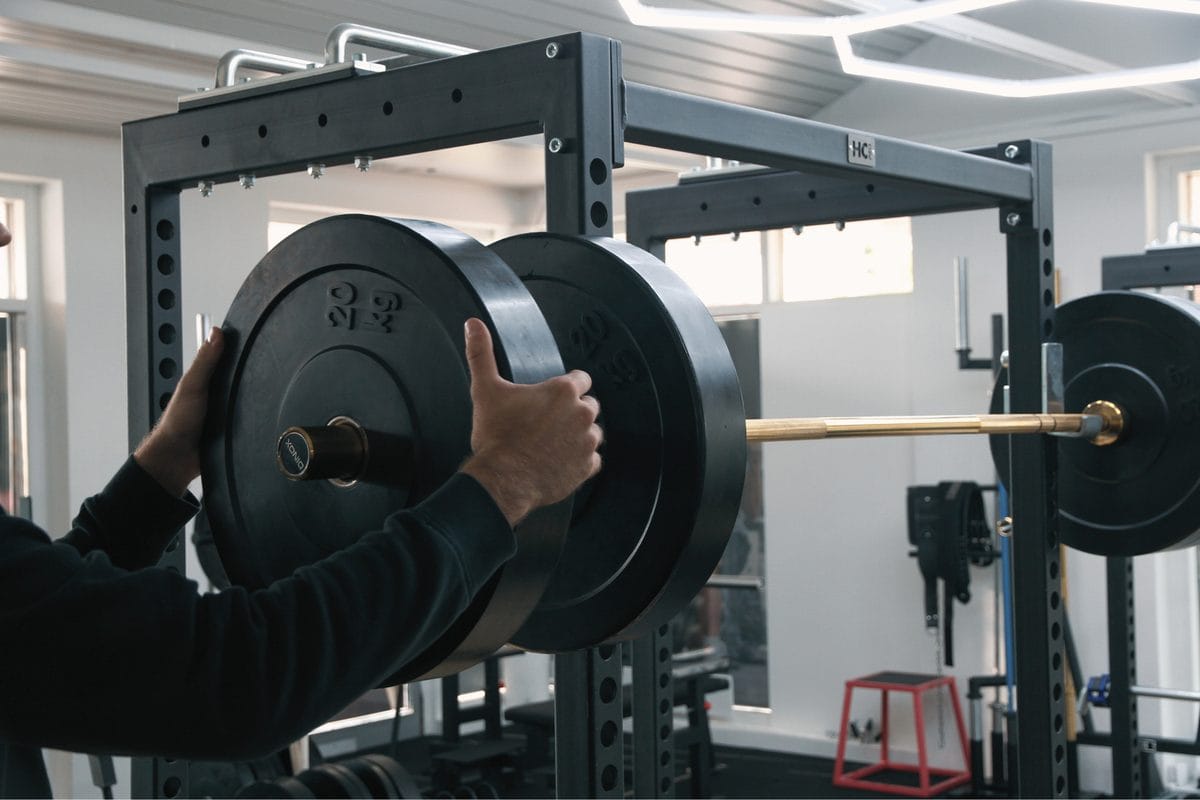
Walk into a PureGym or The Gym Group branch on a weekday evening in the back half of September and you'll find the squat rack empty for exactly as long as it takes someone to load a bar, grind out one working set, then sit on the bench scrolling. Multiply that by three racks and a queue of six people. Your Tuesday leg session has quietly turned into a forty-minute wait wearing a lifting belt.
This isn't your gym having a bad month, and it isn't in your head. UK fitness chains have flagged for years that September ranks among their busiest sign-up periods, second only to January. The return from summer holidays, the school-term reset, and a wave of people trying to undo six weeks of barbecues and beer gardens all land in the same four-week window. Inductions run back-to-back. Staff spend the first fortnight explaining how the leg press works to people who've never used one, and the free-weight floor absorbs almost all of it because that's where the visible, photograph-worthy training happens. None of that threatens your motivation if you've already been training for three or four years. What it threatens is far more specific: the exercise you'd planned, the rest interval your programme calls for, and the working weight you'd pencilled in for a top set at RPE 8. By the third week of October the crowd thins out on its own, the way it always does once motivation stops outpacing the discipline needed to keep showing up at 6pm on a wet Tuesday — but that's six weeks away, and your training log doesn't pause for the thinning-out period.
Why the Rack Disappears Every Autumn
The pattern is consistent enough that gym operators build staffing and induction slots around it. Squat racks and bench stations take the worst of the crush because they're the bottleneck equipment. A gym floor might carry forty dumbbells but usually only three or four power racks, so even a modest rise in weekday footfall turns into a genuine queue at exactly those two stations. Cardio machines and cable stacks rarely see the same crush. Free-weight platforms do, every year, right when the nights start drawing in and the barbecue excuses run out.
None of this is a reason to change gyms or simply wait it out until November. It's a reason to change how you plan the next six weeks. The lifters who keep making progress through the autumn rush aren't the ones with better genetics or more free time — they're the ones who stopped treating their programme as a fixed script and started treating it as a set of weekly targets with several valid paths to hitting them. That distinction matters more than any single exercise choice discussed below, and it's the one most intermediate lifters never make consciously.
Rank Your Exercise Substitutions Before You Need Them
Most intermediate lifters only have one plan for squat day: the squat rack, or nothing. That's the first thing to fix, and it takes ten minutes with a notebook rather than any extra gym time. For every barbell main lift in your programme, write down two substitutions ranked by how closely they replicate the stimulus — not by how much you enjoy them.
- Back squat unavailable → trap bar deadlift first, since it loads the quads and hips in a similar ratio to a squat; hack squat machine second
- Bench press unavailable → dumbbell floor press first, seated chest press machine second
- If the barbell row station is occupied, take whichever is free between the chest-supported row machine and a single-arm dumbbell row — both train the same pulling pattern without asking you to guard a barbell for fifteen minutes
Do the same for every main lift in your split, not just the three above, and the list works for the rest of the season. The better choice, every time, is to walk to your second option immediately rather than linger near the rack "just in case it frees up." That's dead time you're not getting back, and it's the single biggest volume-killer of the autumn months.
Let RPE Decide the Weight When the Bar You Wanted Is Gone
The dumbbells you can actually get to don't care what your spreadsheet says.
A programme built around fixed percentages of your one-rep max assumes you'll have access to your usual bar, your usual plates, and ideally your original squat rack. When you're forced onto a trap bar or a machine substitution, percentage-based loading stops meaning anything, because you don't have a validated max on that implement. This is exactly the situation RPE exists for. Load the trap bar or the machine to a weight that leaves two clean reps in reserve on your last working set. Adjust up or down across sets based on bar speed and how the rep actually felt, and treat that number as valid programming data rather than a compromise you're apologising for. Most lifters resist this because a machine number feels less "real" than a barbell number, which is a mindset problem dressed up as a training principle. Track it in your log the same way you'd track a back squat top set — six weeks from now, when the racks are free again, that RPE history is what tells you whether you actually held your strength or quietly lost it while dodging queues.
Superset Non-Competing Lifts to Protect Weekly Volume
Volume landmarks don't pause for a crowded gym. If your legs need fourteen to eighteen weekly sets to sit inside MEV-to-MAV range, a busy September doesn't lower that number — it just makes it harder to hit inside a normal session length. The fix that actually works is supersetting exercises that don't compete for the same equipment or the same muscle group: goblet squats paired with pull-ups, walking lunges paired with a plate-loaded row, leg press paired with a cable face pull. None of these pairings slow either exercise down. Both stations stay in near-constant use instead of sitting half-occupied while you wait for the "real" one.
This isn't a universal fix, and pretending otherwise would be dishonest: heavy compound lifts like a top-set deadlift or a paused back squat genuinely need full recovery between sets. Supersetting those with anything meaningful will tank your numbers rather than save your evening. Reserve the superset approach for accessory and moderate-intensity work — Romanian deadlifts at RPE 7, incline dumbbell press, rear-delt work — and keep your actual heavy top sets untouched, even if that means waiting the extra three minutes for the rack on those specific lifts.
The Off-Peak Window Nobody Else Wants
Footfall patterns at UK gym chains point to the same two dead zones every year: the 6–8am slot before the office crowd arrives, and the midday window between 12 and 2pm that most people assume is too inconvenient to use. Both run noticeably quieter than the 5–8pm rush that eats every September. Shifting even two of your three weekly sessions into one of those windows solves the equipment problem without changing a single exercise, set, or rep. For most people with any schedule flexibility at all, it's the least disruptive fix on this list — and the one worth trying first.
Off-peak membership tiers exist for exactly this reason. PureGym and The Gym Group both sell restricted-hours plans that typically run £10–£15 cheaper a month than full access. If your current split already fits inside 6am–4pm or after 8pm, there's no real argument left for paying the premium rate. Downgrading isn't a compromise on training quality — it's somewhere in the region of £120–£180 a year back in your pocket for a schedule change you were already capable of making.
A Home Backup for the One Night a Week Worth Saving
If your split has one session that consistently collides with peak hours no matter how you shuffle the schedule — Monday chest day is the classic offender — it's worth keeping a small amount of equipment at home rather than fighting the same battle fifty-two times a year. A single adjustable dumbbell set from a brand like Wolverson Fitness or Bulldog Gear runs somewhere around £150–£300 for a pair that scales from 5kg to 32.5kg per side. That covers RPE 7–8 accessory work for pressing, rows, RDLs, and goblet squats without ever touching a barbell. It's not a replacement for your main lift; it's insurance against the one night where showing up at the gym at all would cost you more time than the session is worth.
Use the home session for exactly what it's built for — accessory volume, not your top set — and swap it back to the gym the moment your schedule or the crowd allows. A resistance band set costing under £30 covers the gap even further down, handling face pulls, band pull-aparts, and light Romanian deadlift patterns on nights when even the adjustable dumbbells are packed away in a cupboard you can't be bothered to dig through. The goal isn't to build a home gym. It's to make sure a fully booked Monday never turns into a missed volume week.
When Fighting for the Rack Is the Right Call
None of this means every heavy lift is negotiable. A true one-rep max attempt, a competition-specification paused squat, or the final week of a peaking block before a meet are all situations where the substitution logic above stops applying. You need the actual barbell, the actual rack, and ideally the same safety pins you've trained with for months. On those specific days, plan around the crowd instead of through it: book the slot if your gym allows it, arrive fifteen minutes early, and treat the short wait as part of the session rather than an interruption to it.
Outside of peak weeks like that, though, holding out for "the real exercise" is usually just stubbornness wearing the costume of discipline. The lifters who come out of October stronger than they went into September aren't the ones who refused to compromise — they're the ones who had a trap bar substitution already written down, an RPE target instead of a percentage, and a 6:30am alarm they were actually willing to use.