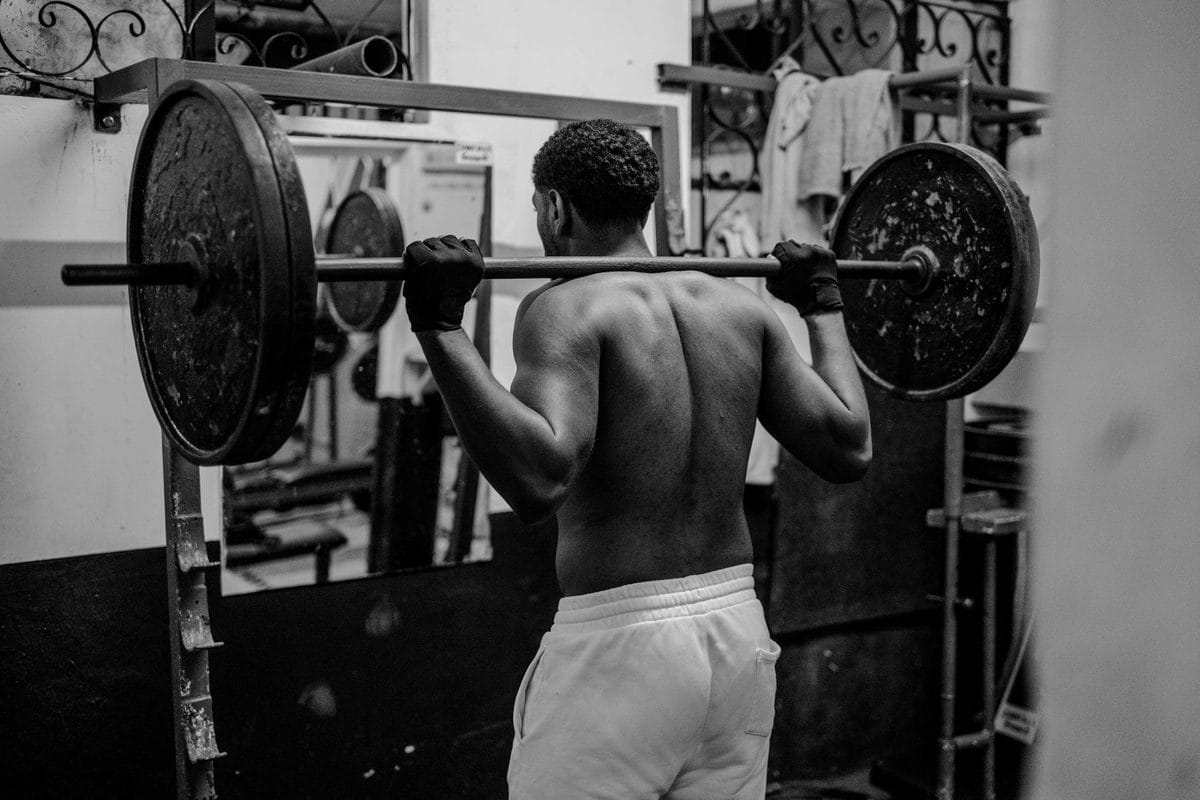
It is 27 December and the gym is half-empty, the way it always is in the week between Christmas and New Year. You walk to the bar, load the usual plates and find the weight heavier than it felt in early December. The bar does not feel broken, it feels unfamiliar, and you start wondering how much of the last two months you have actually lost. The honest answer is less than most men fear, provided you did not stop completely. The festive fortnight is a short break, and the trick is knowing which parts of the week you can let go.
What two weeks off actually costs
A short break does not hit every part of fitness equally, and the practical question is which part you can afford to let slip. My working assumption, which I have not checked against a specific study for this article, is that strength holds up better than aerobic fitness over a gap of about two weeks. On that assumption, the lifts dip a little and the lungs dip more. The first run back will feel harder than you expect, and that is a reason to ease back in, not a sign you have lost the plot. Plan the holiday around the lifts and accept that the cardio will slip a little.
The one-session minimum that keeps your numbers
The most useful rule here is the minimum frequency. My working assumption is that one serious session a week is enough to hold the working weights you have built, provided the load and effort stay close to what they were. I have not confirmed the exact research behind that threshold, so treat it as a planning rule rather than a finding. Cutting to one session every two weeks is a bigger gamble, and I would not plan on it. This is a maintenance rule, not a building one. Once a week keeps what you already have, and it will not add a kilo to your bench press. Anyone who presents a single session as a full training plan is selling you a holiday excuse. Two sessions are better if the family allows it. The point is that one serious session beats none, and that is a different question from whether a fortnight of light work is harmless.
What the one session should look like
Keep it short, and keep the working weights where they were in early December:
- Back squat, the same working weight you used before Christmas, for three sets of five.
- Romanian deadlift, three sets of six at the same load, with the bar kept close to the legs.
- Bench press or overhead press, three sets of six, stopping one or two reps short of failure.
- A pull-up or a row, two sets, and nothing else that leaves you sore for the Boxing Day walk.
The list is deliberately narrow: two main lifts, one hinge, one pull, and nothing you would not do on a normal Tuesday. Session length should land around 35 to 40 minutes once the warm-up is included, which fits between the turkey and the film. These sets and reps are a practical starting point rather than a study result, so adjust them if a lift feels off.
Fitting the session into the fortnight
The festive fortnight has enough dead time to hide a training session, and the trick is to place it rather than hope for it. Pick one day in the first week after Christmas and a second day if the household allows it. Leave at least two full days between sessions so the legs have time to recover, and avoid stacking the session on a day with a long car journey or a late dinner. If the family is travelling, choose the first morning you are awake and somewhere near a gym, and treat the session as the one fixed appointment of the trip. A session that happens on the second day of a trip is worth more than a perfect plan that never leaves the hotel room.
Write the day and the time in the calendar on the morning of 24 December, not in your head. In my view, the session that is written down in advance is the one that happens, and the one left for the afternoon rarely does. A phone reminder with the exercises listed in the note is enough. You do not need a training app or a printed programme for this, only a note that says squat, Romanian deadlift, bench, pull, and the working weights you used in early December.
Cardio when the gym is closed or crowded
Cardio is the part of the plan most likely to slip, and it is also the easiest to replace with something that asks for no equipment at all. A brisk walk of 30 minutes on each non-lifting day keeps you moving at a steady effort and gives you time outside, which the festive fortnight tends to take away. Cycling, swimming or a steady row all work if you have access to them, and the target is steady effort rather than a hard session. Keep the effort conversational, so you can speak in full sentences, and avoid turning the walk into a race against the step counter on your phone.
The walk also solves a practical problem. Gym hours change over the holidays, so a plan that depends on the gym being open at a particular time is fragile. A session at home with a barbell, if you have one, or with dumbbells and bodyweight pulls, can replace the gym session without changing the structure of the week. If you have neither, the honest answer is that the strength plan waits until the gym reopens, and the walks keep the rest of you moving until then.
Where holiday plans go wrong
The common mistake is treating the break as a reset to zero. Three things erode a festive plan faster than the calendar does. The first is dropping the weight entirely, because the plan depends on keeping intensity roughly constant, and a few sets of light band work do not count as maintenance for a squat. The second is trying to make up the break with a maximal attempt on 2 January, which invites a tendon or back problem that costs more than the holiday did. The third is the sleep and drinking that come with the fortnight, which undo much of the recovery that makes one session worthwhile. Our February piece on alcohol and muscle covers the last of these in more detail.
Restarting in January without the ego lift
Restart at roughly the weight you finished with in early December, not the number you wish you were lifting. Give the first week two sessions rather than four, and bring the cardio back a few minutes at a time. If a lift still feels wrong in the second week, check the bar path and the stance before you add plates. A weak lift after a break can be a technique problem that the time off exposed, and adding weight to a bad setup only rehearses the mistake. Keep the squat, keep the pull, and let the rest of the month belong to the family. Strength is the cheapest thing to hold through Christmas, and one session a week is the minimum this plan relies on.